CASE STUDY

PinTogether
PinTogether is a concept feature for Pinterest: a weekly creative prompt that turns passive saving into something users make and share together.
PinTogether is an independent UX case study I completed for Cornell's Digital Product Design course, where I chose my own platform and problem space to design for.
I chose Pinterest because I enjoy the peaceful nature of it, and how it's free of the performance pressure that defines most social apps. But that same quiet, individual experience left me wondering: could Pinterest feel more community-driven without losing the identity that makes it Pinterest in the first place?
01 — The problem
My first instinct about the problem was wrong
INITIAL HYPOTHESIS
Going in, I assumed the gap was social, and that users wanted more visibility into what their friends were saving and creating while they browsed for inspiration.
WHAT RESEARCH FOUND
After conducting user research, I found that people weren't asking for friend activity feeds or social validation. Instead, they actually struggled with finding new content worth saving, and sharing what they'd already saved with anyone at all.
REVISED PROBLEM STATEMENT
How might we help Pinterest users discover new content and easily share their own, without turning Pinterest into another social feed?
02 — Research
Talking to Pinterest users about how they actually create
Six interviews with active Pinterest users surfaced the same friction points again and again.
6 user interviews
- 01
Sharing is difficult
There's a lack of motivation to send a pin or a board to someone else.
- 02
No dedicated collaboration space
Group boards exist, but they aren't central to the experience the way they are on other platforms.
- 03
No centralized creator view
There's no single place to browse everything a specific creator has pinned.
03 — Market research
How other platforms handle lightweight collaboration
I looked outside Pinterest at how other platforms invite people to create together in small, low-pressure ways.
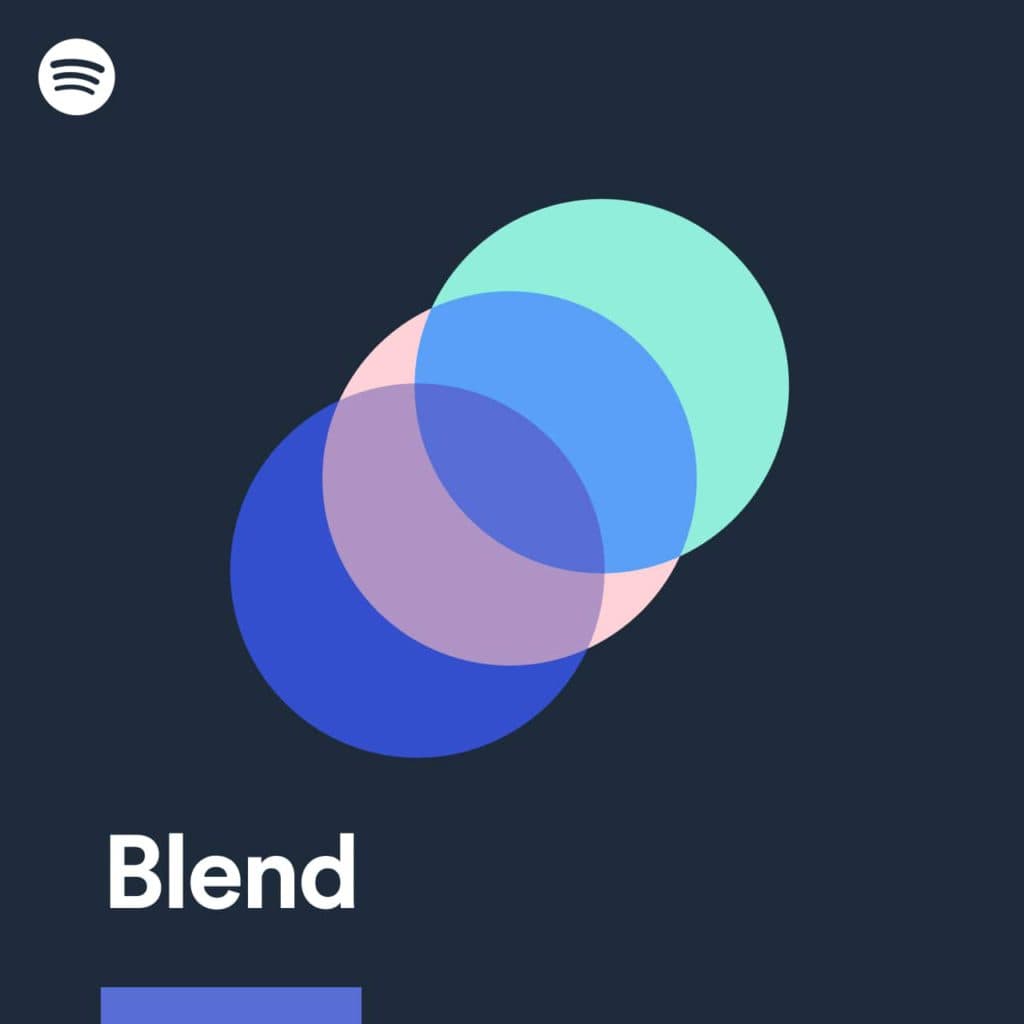
Spotify Blend
Turns two people's individual taste into one shared, ongoing artifact.
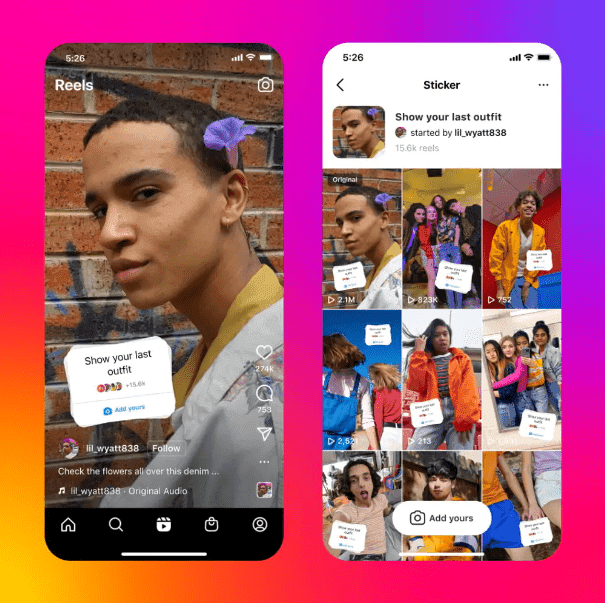
Instagram Add Yours
A recurring prompt format that's easy to join without much effort.

TikTok Duets
Collaboration built directly on top of someone else's original content.
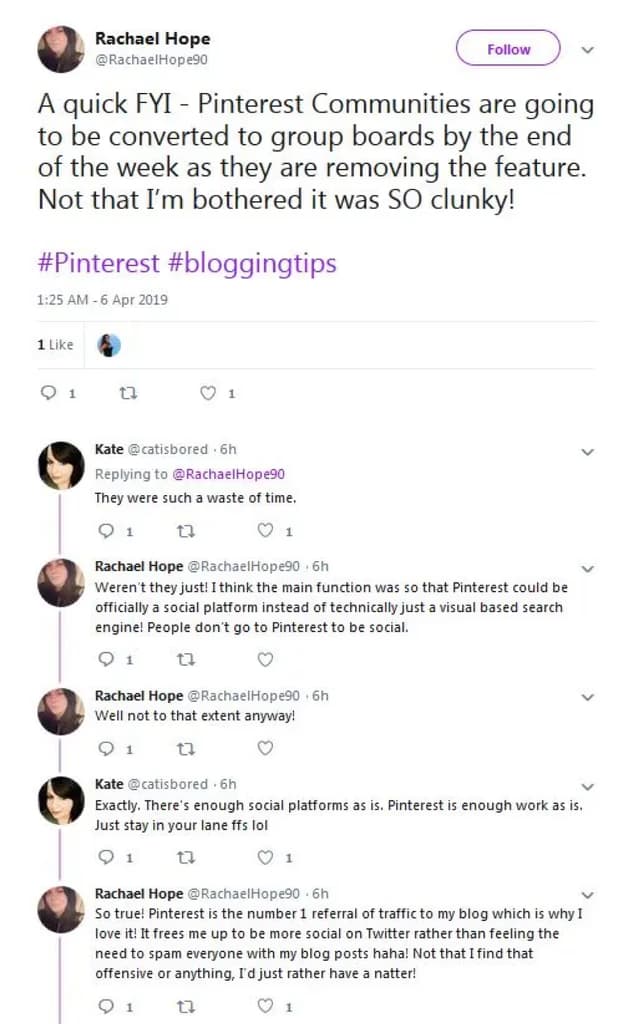
Pinterest Community
Pinterest's own group-board tooling exists, but stays largely unused.
Even Pinterest's own users noticed when the underused Community feature was quietly phased out.
These examples inspired a direction. A lightweight, recurring prompt format — not a full social layer — that could invite participation while still leaving Pinterest's calm, curatorial identity intact.
04 — Ideation
From dozens of directions to one
With the problem reframed, I opened up the solution space before narrowing back down.
- How might we make it easier for users to discover new content from creators they don't already follow?
- How might we give users a reason to share their pins beyond saving them privately?
- How might we introduce lightweight collaboration without adding social pressure?
OPPORTUNITY AREAS
- Being Unique
- Accessibility & Engagement
- Collaboration & Connection
- Expression
100+
ideas brainstormed
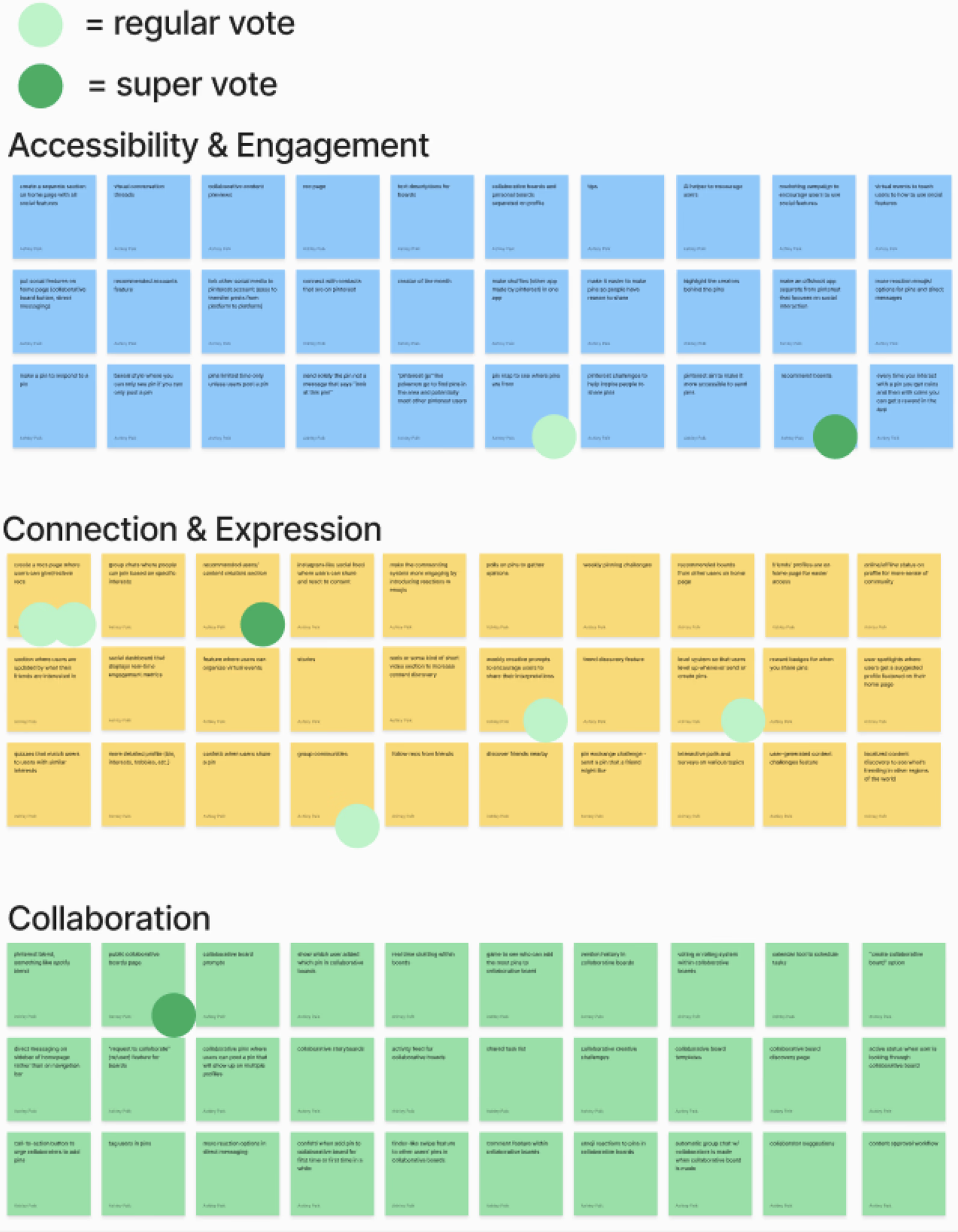
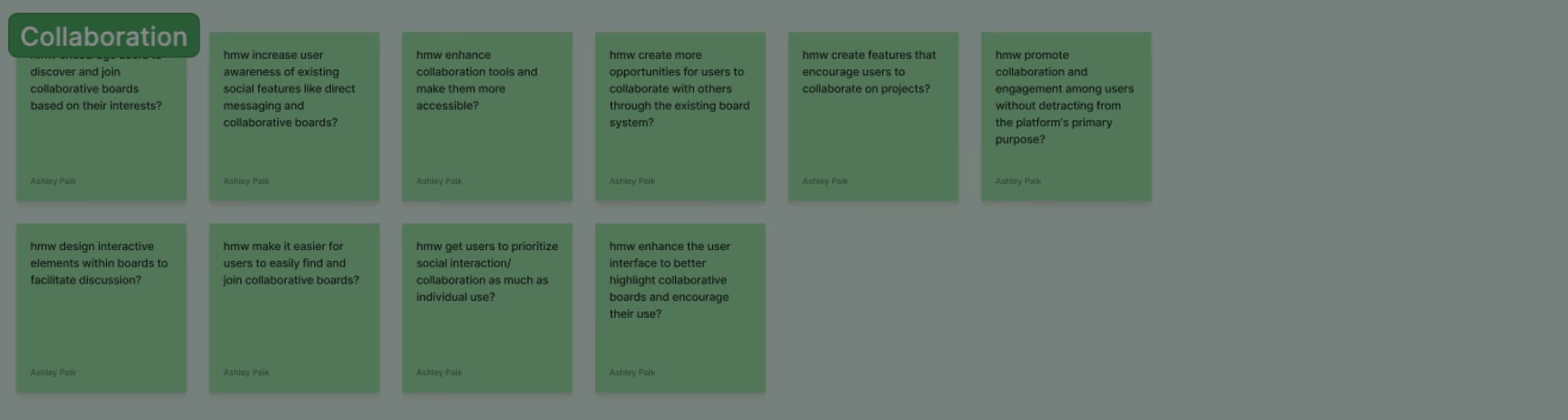
Across those opportunity areas, I brainstormed over 100 ideas before landing on Creative Prompts, a weekly, Pinterest-moderated prompt inspired by Instagram's Add Yours. It gave users a clear, recurring reason to create and share, while keeping moderation (not open social feeds) at the center.
05 — Design decisions
Turning Creative Prompts into a real feature
Every decision traced back to keeping participation easy and the experience clutter-free.
Exploring Entry Points
Before landing on the final flow, I explored a few different ways users could discover and jump into a weekly prompt.
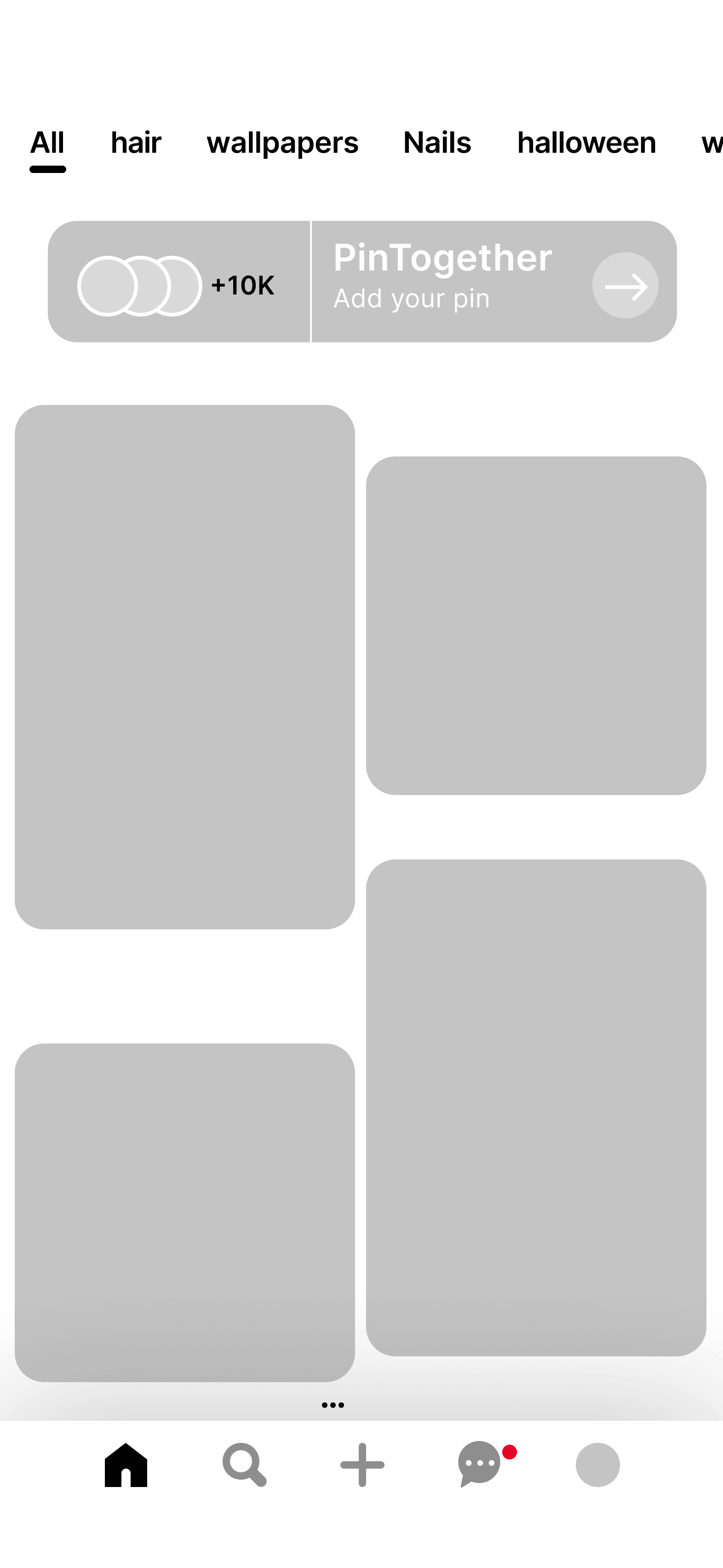
Top of the Home Page
PROS
- Highest visibility and strongest call-to-action.
- Encourages users to discover and participate in a new feature.
- Positions prompts as a core part of the Pinterest experience.
CONS
- May feel more intrusive for users who simply want to browse.
- Occupies valuable space at the top of the Home feed.
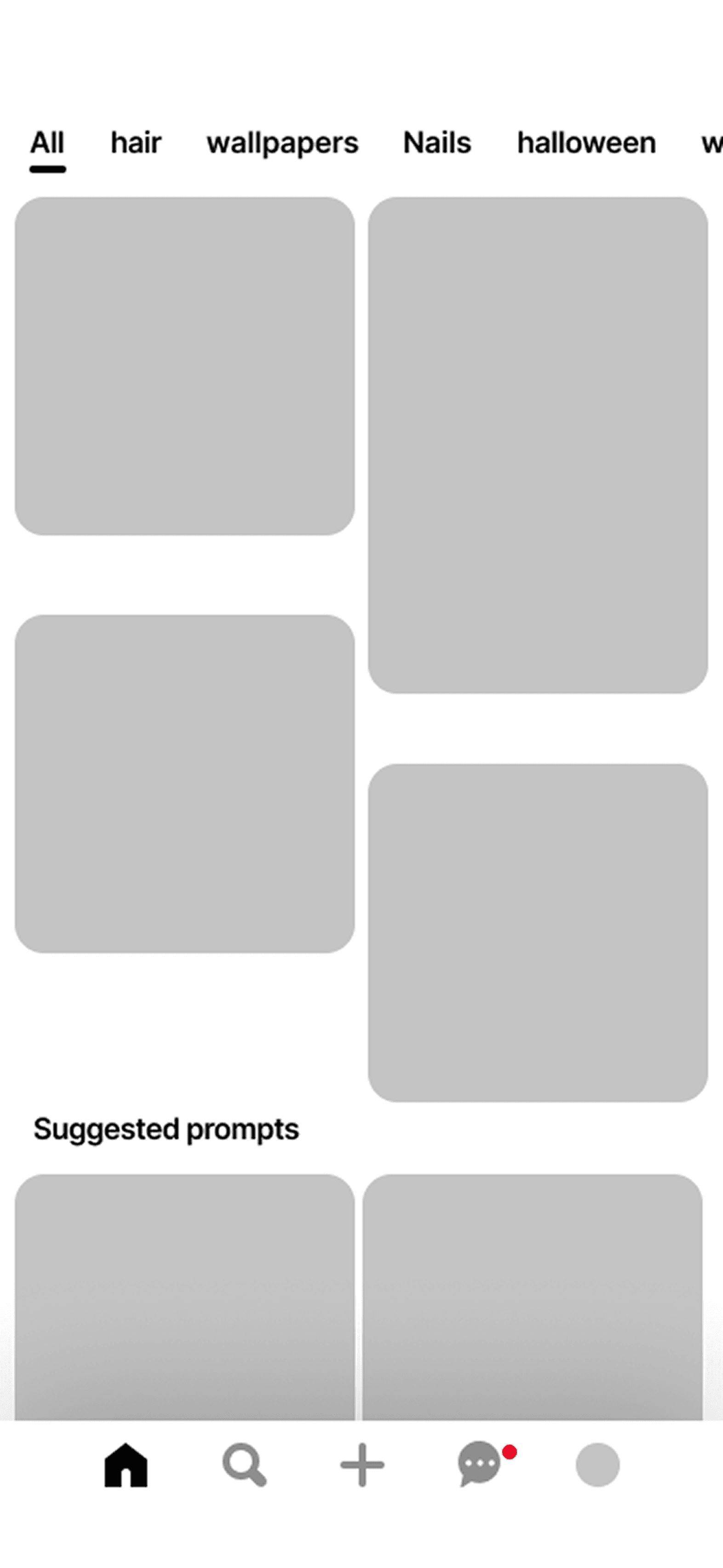
Within the Home Feed
PROS
- Integrates naturally into the browsing experience.
- Less disruptive and feels more organic.
CONS
- Easier to miss while scrolling.
- Lower discoverability could reduce participation.
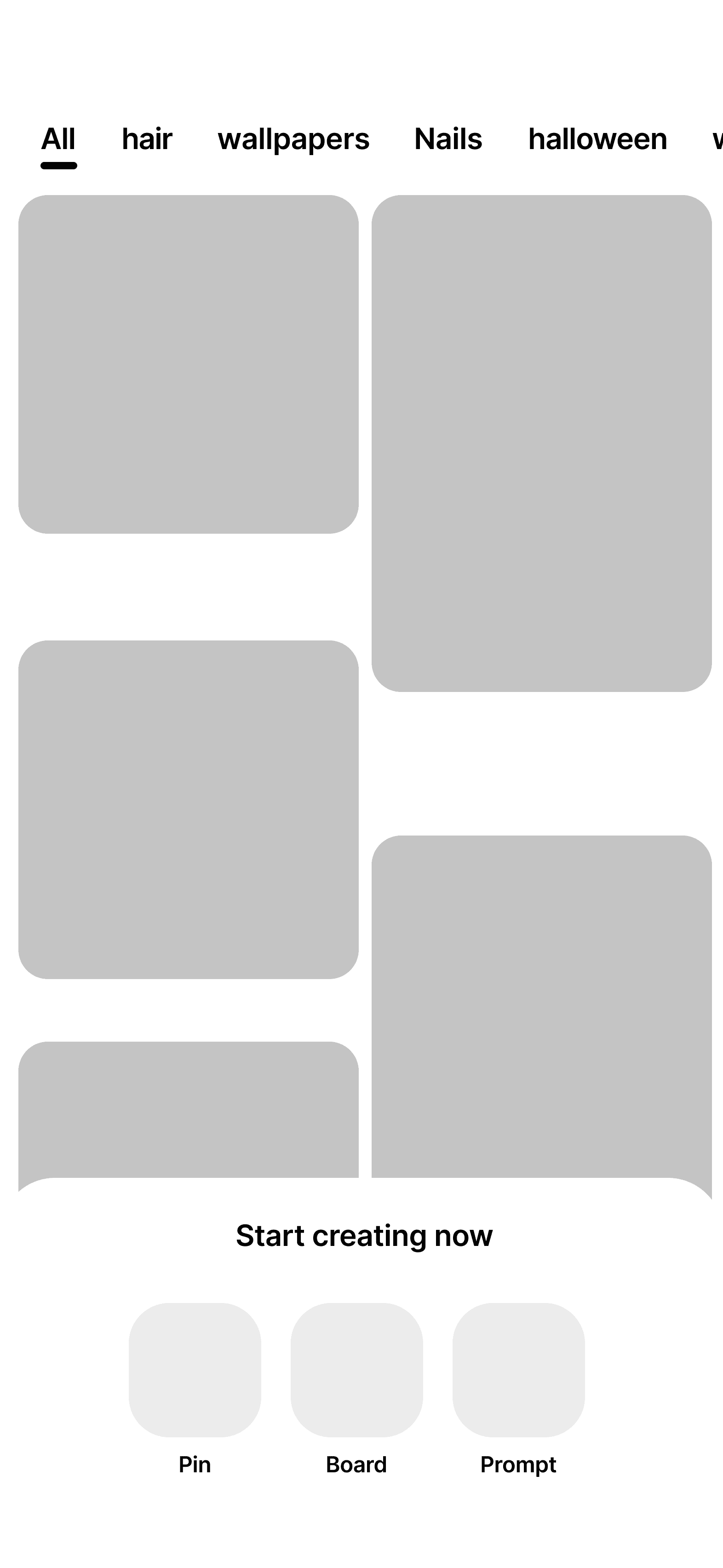
Create Prompt in Navigation Bar
PROS
- Fits seamlessly within Pinterest's existing UI.
- Keeps the Home feed uncluttered.
- Easy to access for users who know the feature exists.
CONS
- Lowest visibility for new users.
- Requires intentional discovery, making adoption less likely.
SELECTED DIRECTION
Top of the Home Page. Since this is a new feature, discoverability was my highest priority. Placing it at the top of the Home page gives it the visibility needed to encourage participation and establish it as a tool for discovering fresh inspiration. To address the concern that it could feel too intrusive, I included an option for users to hide the feature, giving them control over their experience while maintaining strong discoverability.
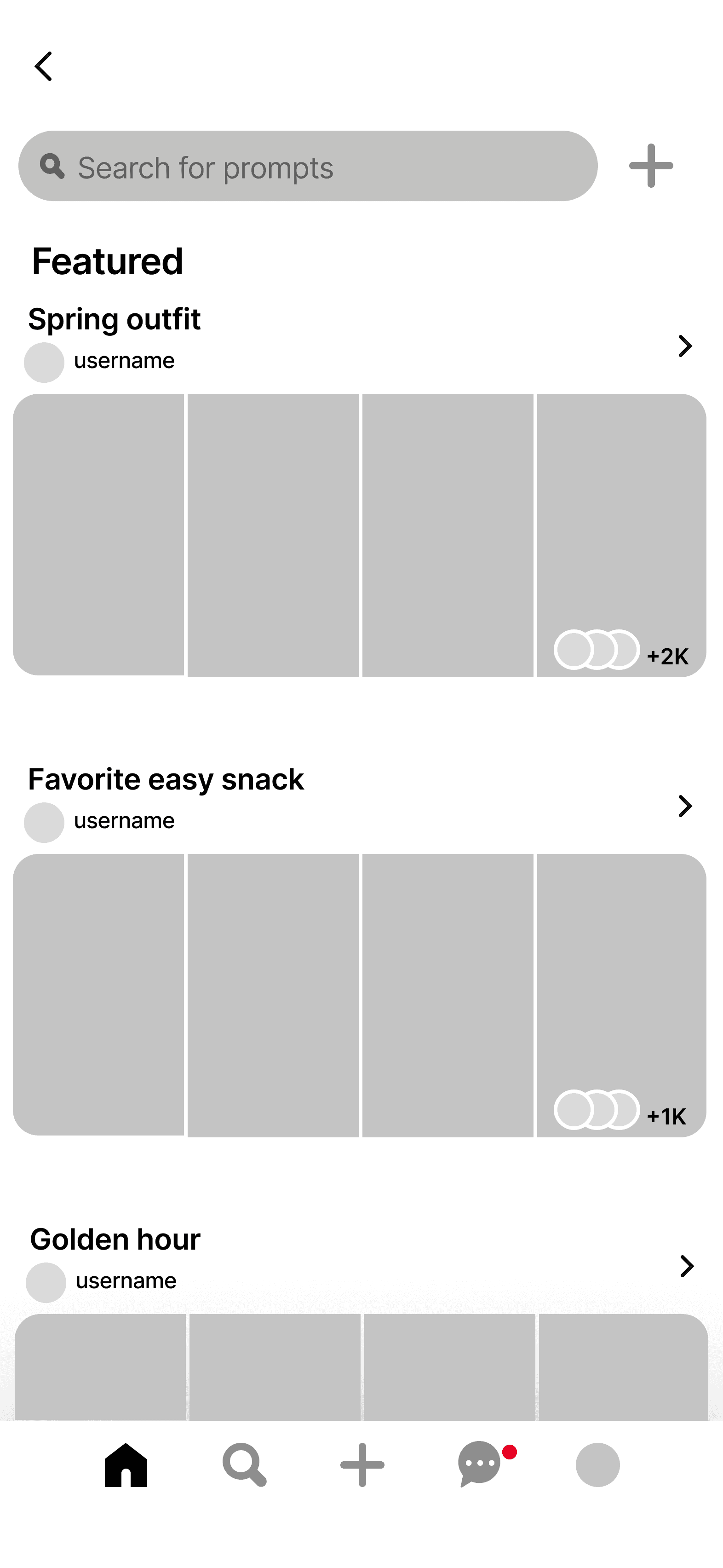
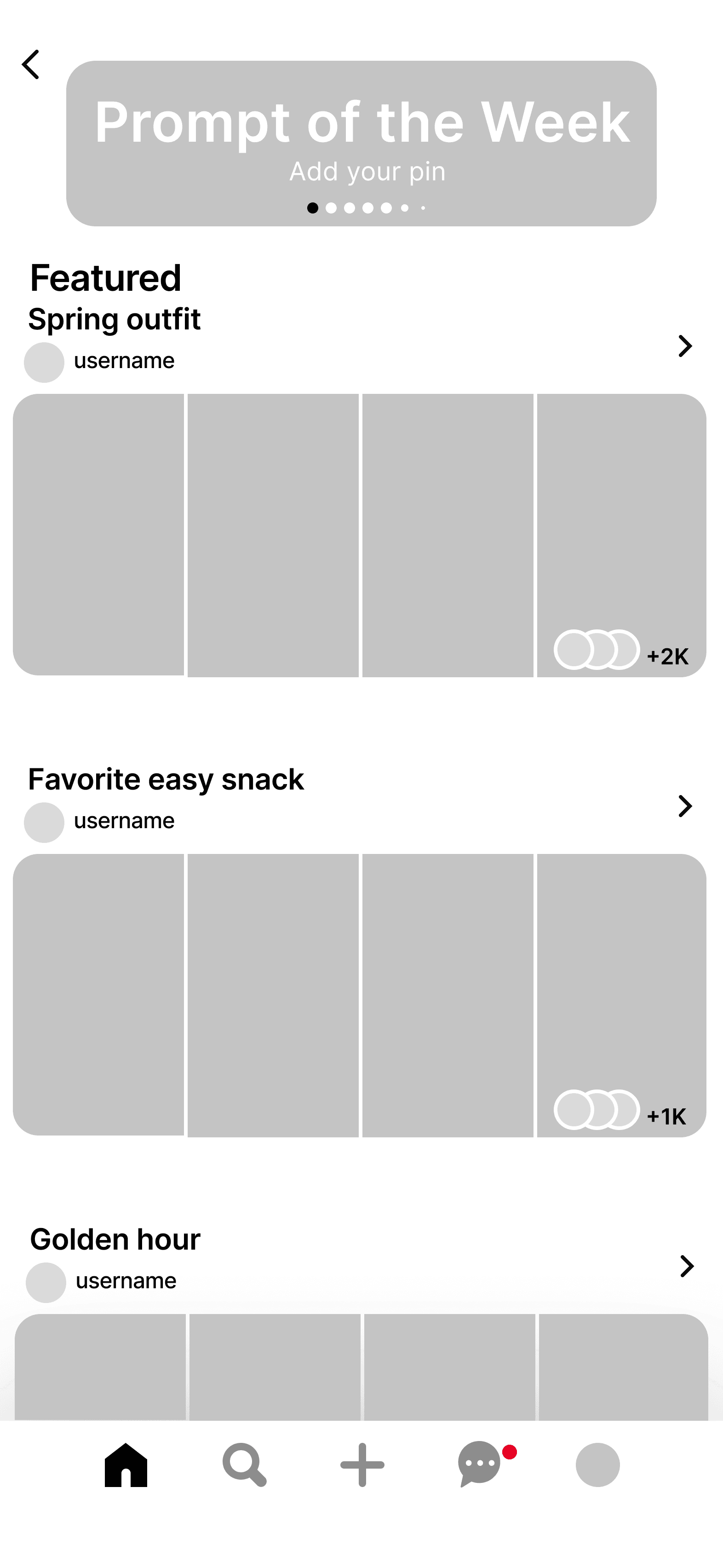
Weekly, Pinterest-Generated Prompts
THE PROBLEM
A user-generated prompt system risked exactly what made Pinterest calm in the first place: clutter, duplicate ideas, and low-effort submissions crowding out genuine creativity.
THE SOLUTION
Prompts are generated by Pinterest on a weekly cadence across topics like fashion, food, photography, and art. A single, moderated prompt per week keeps submissions focused and prevents the feed from fragmenting into duplicates.
BEFORE
AFTER
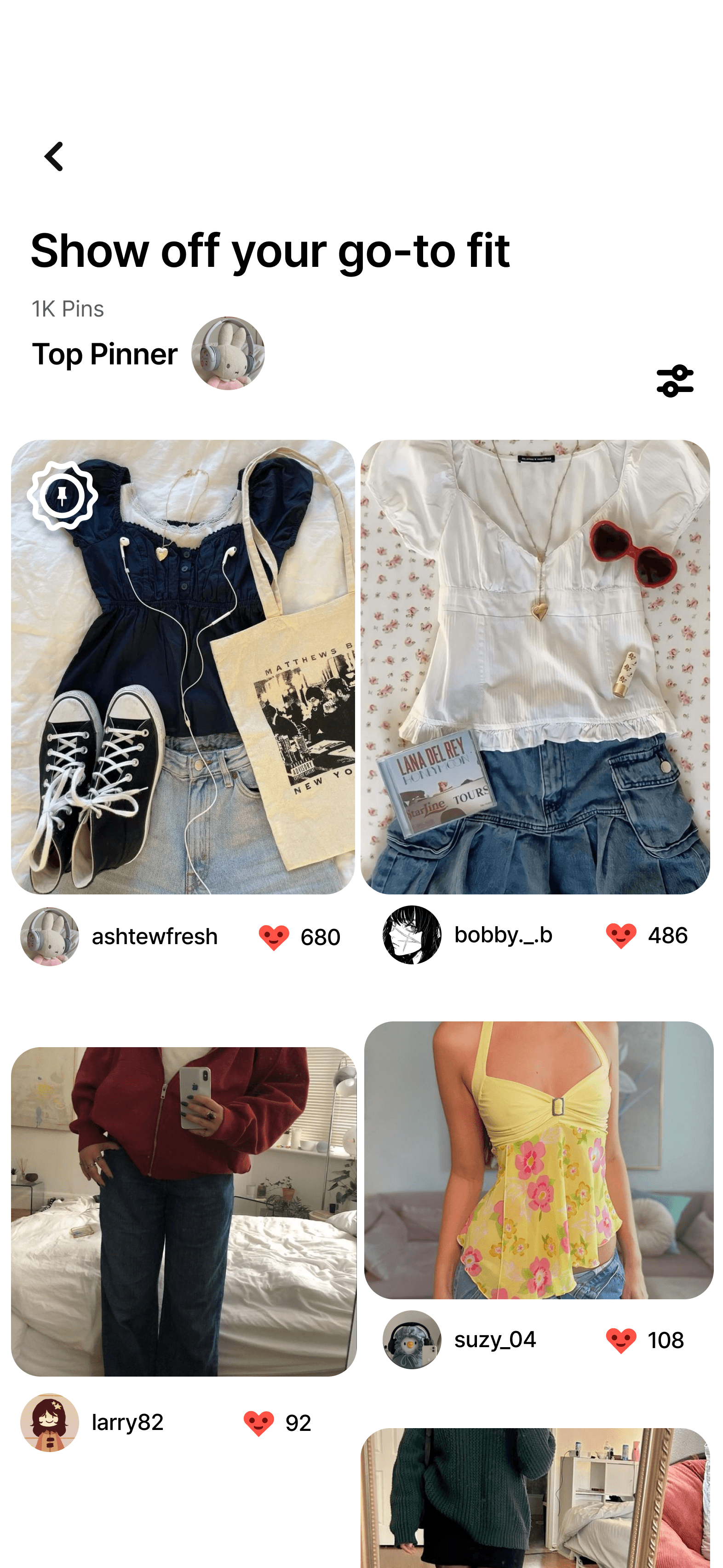
Community Engagement Through Upvotes & Top Pinners
THE PROBLEM
Without any feedback loop, a prompt is just another place to post into the void. There was nothing pulling users back to see how their submission landed.
THE SOLUTION
Users can upvote their favorite submissions, and a "Top Pinners of the Week" section recognizes standout contributors. It's a lightweight nod to effort and creativity, not a competitive leaderboard.
06 — Final solution
PinTogether
The completed concept: a weekly creative prompt that gives Pinterest users a clear, low-pressure reason to make and share, without adding a social feed on top of the platform.
Weekly Prompts
A new Pinterest-generated prompt drops every week across a rotating set of topics, giving users a fresh, specific reason to create instead of an open-ended blank board.
Hearting Favorite Pins
Users can heart their favorite submissions within a prompt, giving quick, lightweight recognition without the pressure of a public comment.
Easy Pin Sharing
A dedicated share flow makes it simple to send a pin or a board to someone else directly — solving the sharing gap research surfaced early on.
Top Pinner Recognition
Standout contributors each week are recognized as "Top Pinners," a small moment of visibility that rewards creativity without turning into a competitive ranking.
07 — Reflection
What this project taught me
A few short takeaways from designing PinTogether end to end, on my own.
Always prioritize the user
My initial hypothesis about what users wanted was wrong. Research is what got me to the actual problem worth solving.
Embrace flexibility
Rewriting the problem statement mid-project felt like a setback in the moment, but it's what made the final direction actually land.
Iterate, iterate, iterate!
Each round of the prompt flow got simpler and clearer than the last.
If I had more time...
I would user-test the finished flows to see how the feature actually performs, and explore additions like leaderboards or alternative entry points into a prompt.
PinTogether was my exploration of a more community-driven Pinterest that gives users a reason to create and share together, while staying true to the personalized experience that makes Pinterest, Pinterest.
Keep exploring